All Categories
Featured
Table of Contents
- – United Constructors Inc.
- – Understanding the Importance of Coordinating P...
- – The Ideal Sequence for Plumbing and Electrical...
- – Navigating Permits and Building Codes for Kitc...
- – Typical Costs and Budget Considerations for Pl...
- – Real-World Examples and Lessons from Contra Co...
- – Best Practices for Choosing and Working with P...
- – Common Concerns About Kitchen Remodel Plumbing...
- – Areas We Serve Throughout Contra Costa County ...
- – Frequently Asked Questions About Kitchen Remod...
- – We Can Help! Contact Us Today
- – United Constructors Inc.
Kitchen remodel plumbing electrical coordination forms the backbone of any high-quality renovation project, ensuring trades integrate smoothly for safety, performance, and long-term reliability. This essential process involves precise orchestration of plumbing rough-in, electrical rough-in, dedicated circuits, GFCI outlets, permitting, and regulatory adherence to prevent the most common renovation headaches—schedule slips, expense surges, dangers, and compliance rejections. Homeowners frequently learn the hard way that poorly synced plumbers and electricians result in pipes interfering with electrical routes or outlets placed too close to water sources without adequate safeguards. Skilled contractor teamwork solves these challenges by following a logical order—usually plumbing preceding electrical for gravity flow, and then electrical modifications, while fully complying with regional Contra Costa County regulations. The result produces a functional area that boosts daily convenience, increases property value, and delivers reassurance. This detailed overview covers sequencing, costs, permits, best practices, real examples, and solutions to common concerns, empowering you to manage kitchen remodel plumbing electrical with confidence.
Many homeowners begin their kitchen renovations filled with excitement over fresh designs, contemporary appliances, and open floor plans, only to encounter the complex reality of coordinating various skilled trades. Without structured coordination, timelines stretch, budgets balloon, and stress accumulates. Professional management converts the experience into a predictable, stress-reduced experience that maintains attention on your dream rather than operational challenges. For layout concepts and project guidance, explore our kitchen and bathroom remodeling services.
Understanding the Importance of Coordinating Plumbing and Electrical in Kitchen Remodels
Integrating plumbing and electrical work in a kitchen renovation avoids the significant interruptions that commonly derail many projects. Plumbing tasks encompass setting up water lines, waste pipes, vents, and kitchen fixtures such as sinks, dishwashers, garbage disposals, and water filtration systems. All parts necessitate precise positioning for correct water flow, adequate venting, and easy access. Electrical work covers installing wiring, positioning receptacles, setting up lighting, and creating dedicated circuits to support high-draw appliances such as refrigerators, stoves, microwaves, and ovens. If plumbers and electricians work separately, issues develop—pipes interfere with intended wiring paths, or outlets end up too close to sinks lacking required GFCI devices, leading to safety risks and code non-compliance.
Research and project statistics regularly indicate that lack of coordination leads to rework costs which may raise total project costs by 20–40%. Trades waiting for each other while waiting for completion, or forced to redo completed tasks, increase both duration and expense. Safety risks compound the problem—leaks near live wires and insufficient GFCI protection near sinks increase the chance of electrical shocks or water damage. In the rough-in phase, when structural elements are accessible, coordination allows for optimal placement and long-term flexibility, including additional circuits for future smart technology or adjusting lighting for specific cabinet configurations. For additional insights into electrical safety standards, refer to resources from the National Fire Protection Association.
Further advantages encompass improved functionality and aesthetics. Properly placed under-cabinet lighting, optimally situated outlets for counter appliances, and balanced electrical loads prevent circuit overloads and interruptions. Proper alignment further facilitates contemporary kitchen styles such as open layouts, islands with combined plumbing and electrical, and energy-saving features. Residents enjoy considerable stress reduction knowing the project progresses predictably, alleviating the strain of ongoing construction. From a practical standpoint, the expenditure proves worthwhile via reduced ongoing expenses, increased property value, and installations that surpass code requirements. For design concepts and project planning, explore our kitchen and bathroom remodeling services.
Get in touch for a free initial consultation to see how coordinated kitchen remodel plumbing electrical can transform your space.
The Ideal Sequence for Plumbing and Electrical Work in a Kitchen Remodel
The optimal order for kitchen remodel plumbing electrical work adheres to a sensible sequence to achieve maximum efficiency, reduces potential conflicts, and guarantees regulatory adherence throughout. Work starts with demolition phase, removing old cabinets, counters, flooring, and walls to open up the structural elements and allow accurate measurements. After the area is opened, plumbing rough-in comes first: placing new water lines, waste pipes, and vents, focusing on gravity-based drainage for sinks and waste disposals. Island fixture plumbing needs accurate floor preparation to prevent interference with structural elements.
Once plumbing rough-in is finished, electrical rough-in proceeds. Electrical professionals place outlet boxes, install wiring for lights, switches, and dedicated circuits, and make preparations for under-cabinet illumination, hanging fixtures, and appliance hookups. Performing electrical work after plumbing allows wiring to avoid pipes and vents, lowering the possibility of damage and rework. GFCI protection is installed in required locations, including countertops and areas near sinks, while AFCI breakers protect bedroom and living area circuits that may extend into the kitchen. This progression facilitates organized routing and ideal outlet placement for convenience and security.
Inspections occur after rough-ins to ensure compliance before drywall seals the openings. Completion phases recall trades for final connections, trim work, fixture attachment, and system verification. Plumbing precedes electrical primarily because drainage systems depend on gravity and precise positioning—changes are less complicated prior to wiring installation. Electrical subsequently adjusts to plumbing placement, providing best outlet locations and lighting arrangement. This proven sequence addresses common questions like "what order should plumbing and electrical go in a kitchen remodel" and "should plumbing or electrical go first in a kitchen remodel". For additional electrical support, see our electrical and plumbing coordination page.
Contact us for customized sequencing recommendations tailored to your kitchen remodel needs. Pleasant Hill Commercial Plumbing Contractors Near Me.
Navigating Permits and Building Codes for Kitchen Remodel Plumbing Electrical in Contra Costa County
Permits and building codes are non-negotiable elements of kitchen remodel plumbing electrical in Contra Costa County. Any work involving structural changes, plumbing modifications, or electrical additions demands clearance from the County Building Inspection Division. Applications are submitted through the ePermits system, with costs based on the project's estimated value. Rough-in and final inspections confirm adherence to safety and efficiency standards, preventing fines or resale complications. For official details, refer to Contra Costa County permit guidelines.
Plumbing codes mandate proper venting for drains, accessible shut-off valves, anti-scald devices on faucets, and water-efficient fixtures to meet conservation standards. Electrical mandates require GFCI protection on countertops and near sinks, tamper-resistant receptacles, two 20-amp small appliance circuits, and dedicated circuits for large appliances. Panel upgrades are often necessary when existing electrical capacity cannot support modern kitchen loads. Local adjustments to California standards prioritize energy efficiency, seismic protection, and hazard prevention in prone areas.
Professional management of permits and inspections eliminates delays caused by incomplete applications or failed checks. Experienced teams prepare detailed plans, schedule inspections at the right times, and make corrections quickly when needed. This professional support eliminates bureaucratic stress while keeping the project moving forward. More details about our compliance approach are available on our why choose us page. why choose us page.
Reach out to manage permits and code compliance for your local Contra Costa kitchen project.
Typical Costs and Budget Considerations for Plumbing and Electrical Upgrades
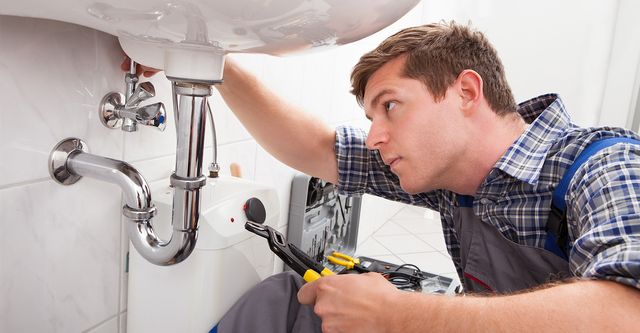
Grasping pricing for kitchen remodel plumbing electrical allows for accurate planning and eliminates budget shocks. Basic updates—replacing outlets, fixtures, and making minor adjustments—generally range from $5,000 to $12,000. Intermediate efforts including line moves, extra circuits, GFCI setups, and panel upgrades usually total $12,000–$25,000. Comprehensive coordination, including full rough-ins, permits, major appliance circuits, and extensive relocations, often totals $20,000 to $45,000, typically accounting for 10–20% of the overall kitchen investment.
Numerous elements affect the final cost—Bay Area labor rates of $80–$250 per hour for licensed specialists play a major role alongside materials and relocation complexity. Poor coordination frequently leads to rework expenses that can add thousands—misaligned trades cause repeated wall openings, extra labor, and material waste. Transparency in budgeting from the outset builds confidence and prevents unexpected financial strain. Detailed breakdowns allow homeowners to prioritize essential upgrades while staying within budget. For accurate estimates and customized quotes, explore our kitchen and bath quote request page.
This systematic process supports smart planning. Get a no-obligation quote customized to your project scope and priorities.
Real-World Examples and Lessons from Contra Costa Kitchen Remodels
Actual renovations show how successful kitchen remodel plumbing electrical coordination produces exceptional outcomes. In Danville, a resident sought to reposition the sink to build a central island. Thorough planning assured plumbing and electrical elements coordinated flawlessly, avoiding delays and passing inspections on the first attempt. The kitchen gained improved workflow and modern functionality without unexpected costs.
In Walnut Creek, a vintage home required modernizing old wiring and galvanized pipes. Aligned trades accomplished rough-in stages effectively, producing a secure, code-compliant kitchen with improved illumination, receptacles, and appliance operation. The resident described a more efficient experience and greater satisfaction than anticipated.
More testimonials confirm these successes: "The entire kitchen remodel plumbing electrical process was seamless—no surprises, no extra charges." – Orinda homeowner. "Permits and inspections were handled perfectly; the team made everything stress-free." – San Ramon resident. "We enjoy our new configuration; coordination ensured on-time and on-budget completion." – Pleasant Hill homeowner.
These instances underscore the importance of professional coordination. Let's achieve similar success for your renovation. Explore further testimonials on our reviews page. reviews page.
Best Practices for Choosing and Working with Plumbing and Electrical Contractors
Selecting appropriate trades begins by confirming licensing, insurance coverage, and familiarity with regional regulations. Inquire about previous kitchen work, experience with kitchen remodel plumbing electrical order, and references from current clients. Effective communication proves vital—trustworthy contractors deliver straightforward timelines, consistent updates, and fast responses.
One dedicated coordinator controls scheduling, addresses issues, and maintains trade alignment without requiring homeowner management. Thoroughly screened subcontractor teams provide superior craftsmanship and reliability. Follow-up after project completion handles modifications or questions immediately.

Safety, compliance, and attention to detail remain top priorities for long-term satisfaction. For additional information on our methods, visit our about us page. about us page.
Contact us for trusted recommendations and coordination expertise tailored to your remodel.
Common Concerns About Kitchen Remodel Plumbing Electrical And How We Solve Them
Project delays from trade scheduling conflicts top many homeowner concerns. Thorough planning and centralized management maintain alignment and keep schedules intact. Surprise costs from undiscovered issues generate concern. Detailed initial evaluations and open pricing avoid surprises and maintain budget control.
Safety concerns and compliance worries arise from incorrect installations. Professional management upholds standards, ensuring GFCI protection and secure electrical systems. These issues are common yet fully addressable through skilled handling. Contact us to talk about your particular concerns and get customized answers.
Areas We Serve Throughout Contra Costa County California
We serve the entire Contra Costa County area and surrounding communities: Alamo, Walnut Creek, Lafayette, Danville, Moraga, Orinda, Pleasant Hill, San Ramon, Hercules, El Cerrito, Pinole, Albany, Berkeley, San Pablo, Concord, Pittsburg, Martinez, Diablo, Clayton, Port Costa, Benicia, Antioch, Canyon, Crockett, Rodeo, Oakland, El Sobrante, Suisun City, Vallejo, Birds Landing, Richmond, Brentwood, Oakley, including Alameda County, Solano County, San Francisco, San Leandro, Livermore, Pleasanton, Alameda, Union City, Hayward, Dublin, Castro Valley, Bay Point, Meadowhomes, Four Corners, Concord Valley, North Concord, San Francisco County, Marin County. Convenient proximity to major thoroughfares provides prompt service across the area.
Area-specific understanding manages challenges such as older construction quirks, seismic standards, and county-specific regulations. Reach out for specialized advice tailored to your area. Learn about our work in particular areas on our Walnut Creek kitchen remodeling page. Walnut Creek kitchen remodeling page.
Frequently Asked Questions About Kitchen Remodel Plumbing Electrical Coordination
What order should plumbing and electrical go in a kitchen remodel?
Plumbing rough-in generally occurs before to handle drainage slope and fixture placement requirements. Electrical work then adapts around plumbing for optimal routing. This order in kitchen remodel plumbing electrical prevents conflicts, supports efficient inspections, and reduces rework costs. Early planning ensures alignment for a smooth, functional result. Explore our approach further on the kitchen and bathroom remodeling page. kitchen and bathroom remodeling page.
How much does plumbing electrical cost in a kitchen remodel?
Expenses generally range $5,000–$12,000 for basic modifications and $20,000–$45,000 for comprehensive coordination with approvals and major upgrades. Variables influencing price encompass labor, materials, and project complexity. Skilled coordination prevents budget overruns by eliminating delays and rework. Get a customized estimate from our kitchen quote page. kitchen quote page.
Do I need permits for kitchen remodel plumbing electrical?
Yes, permits are required for relocations, new circuits, or major changes in Contra Costa County (Pleasant Hill Commercial Plumbing Contractors Near Me). County Building Inspection handles submissions and inspections to verify safety and regulatory compliance. Skilled oversight eliminates schedule interruptions. See our compliance approach on why choose us. why choose us
What GFCI outlets are required in a kitchen remodel?
All countertop outlets and those within six feet of sinks require GFCI protection. Tamper-resistant models add safety for households with children. Codes mandate this coverage near water sources to prevent shocks. Discover complementary services on our electrical and plumbing page. electrical and plumbing page.
Should plumbing or electrical go first in a kitchen remodel?
Plumbing typically precedes electrical to handle drainage slope and fixture placement first. Electrical then adjusts for best wiring paths. This sequence enhances efficiency in kitchen remodel plumbing electrical. For additional information, see our about us page. about us page.
How to coordinate plumbing electrical kitchen renovation?
A lead contractor oversees scheduling, trade selection, and issue resolution. Single-point management keeps trades synchronized and project progress steady. This method reduces homeowner stress and ensures quality results. See our coordination methods on client reviews. client reviews.
What appliances need dedicated circuits in a kitchen?
Fridges, stoves, dishwashers, microwaves, and garbage disposals need dedicated lines to avoid circuit overloads and maintain dependable performance. Thoughtful planning delivers consistent appliance operation. Learn about appliance integration on custom work page. custom work page.
How long does plumbing electrical phase take in kitchen remodel?
Rough-in work typically spans 1–3 weeks based on project scope. Proper alignment maintains efficient schedules. For project timelines, see our FAQ page. our FAQ page.
Can I DIY plumbing electrical kitchen remodel?
DIY efforts frequently result in code non-compliance, safety risks, and expensive fixes. Expert handling guarantees compliant, high-quality results using professional tools and experience. Discover professional options on our contact page. our contact page.
What common plumbing electrical issues arise in kitchen remodel?
Typical challenges involve outdated electrical, undetected leaks, code-violating outlets, and improper line placement. Prompt identification and alignment stop problems from growing. More on solutions at emergency plumbing services. emergency plumbing services.
We Can Help! Contact Us Today

With over 30 years of experience delivering code-compliant, efficient kitchen remodel plumbing electrical coordination across Contra Costa County, complete satisfaction is assured via open communication and professional management. Homeowners gain freedom from coordination worries, trust in skilled execution, anticipation for their modernized kitchen, certainty in protection and value, and pride in an efficient home—logically justified by cost savings, higher ROI, time efficiency, quality longevity, and no rework. 1251 Stone Valley Rd, Alamo, CA 94507—reach out today at (925) 234-9023 for your no-obligation consultation to achieve consistent, value-driven results in your kitchen renovation. Whether you need a complete renovation or specific improvements, professional coordination makes the difference. Visit our contact page to get started, or discover additional information on our FAQ. contact page. Your perfect kitchen is within reach—let's build it without common obstacles.
United Constructors Inc.
Address: 1251 Stone Valley Rd Alamo, CA 94507Phone: (925) 234-9023
Email: cash@builduci.com
United Constructors Inc.
Plumbing & Heating Contractors Near Me Pleasant Hill, CA
Contractor Plumber Near Me Pleasant Hill, CA
Plumbing Heating Cooling Contractors Pleasant Hill, CA
Industrial Plumbing Contractors Near Me Pleasant Hill, CA
Plumber Contractors Near Me Pleasant Hill, CA
Residential Plumbing Contractors Near Me Pleasant Hill, CA
Commercial Plumbing Contractor Near Me Pleasant Hill, CA
Contractor Plumber Near Me Pleasant Hill, CA
Professional Plumbing Contractors Pleasant Hill, CA
Contractor Plumber Pleasant Hill, CA
Plumbing Heating Contractors Near Me Pleasant Hill, CA
Bathroom Plumbing Contractors Pleasant Hill, CA
Plumbing And Electrical Contractors Pleasant Hill, CA
Plumbing Contractors Near Me Pleasant Hill, CA
Plumbing And Electrical Contractors Pleasant Hill, CA
Contractors Plumbing Pleasant Hill, CA
Plumber Contractor Near Me Pleasant Hill, CA
Contractor Plumber Pleasant Hill, CA
Bathroom Plumbing Contractors Pleasant Hill, CA
Residential Plumbing Contractors Near Me Pleasant Hill, CA
Plumber Contractor Near Me Pleasant Hill, CA
Contractor Plumber Pleasant Hill, CA
Plumbing Installation Contractor Pleasant Hill, CA
Plumbing Installation Contractor Pleasant Hill, CA
Residential Plumbing Contractors Near Me Pleasant Hill, CA
Residential Plumbing Contractors Near Me Pleasant Hill, CA
Heating And Plumbing Contractors Near Me Pleasant Hill, CA
Local Plumbing Contractors Pleasant Hill, CA
Plumbing And Mechanical Contractors Pleasant Hill, CA
Local Plumbing Contractors Near Me Pleasant Hill, CA
Plumbing & Heating Contractors Near Me Pleasant Hill, CA
Heating And Plumbing Contractors Near Me Pleasant Hill, CA
Plumber Contractor Near Me Pleasant Hill, CA
General Contractor For Plumbing Pleasant Hill, CA
Licensed Plumbing Contractor Pleasant Hill, CA
Industrial Plumbing Contractors Near Me Pleasant Hill, CA
Plumbing Installation Contractor Pleasant Hill, CA
Contractor Plumber Near Me Pleasant Hill, CA
Plumbing Contractors Commercial Pleasant Hill, CA
Plumbing Contractors Commercial Pleasant Hill, CA
Plumbing Heating Contractors Near Me Pleasant Hill, CA
Plumbing And Mechanical Contractors Pleasant Hill, CA
Local Plumbing Contractors Pleasant Hill, CA
Plumbing And Heating Contractors Near Me Pleasant Hill, CA
Contractor Plumbing Pleasant Hill, CA
Heating And Plumbing Contractors Near Me Pleasant Hill, CA
Contractors Plumbing Pleasant Hill, CA
Plumbing Contractors In My Area Pleasant Hill, CA
Plumbing Contractors Commercial Pleasant Hill, CA
Best Seo Packages Pleasant Hill, CA
Near You Seo Agency Pleasant Hill, CA
United Constructors Inc.
Plumbing Heating Cooling Contractors Pleasant Hill, CA
Plumbing And Mechanical Contractors Pleasant Hill, CA

Table of Contents
- – United Constructors Inc.
- – Understanding the Importance of Coordinating P...
- – The Ideal Sequence for Plumbing and Electrical...
- – Navigating Permits and Building Codes for Kitc...
- – Typical Costs and Budget Considerations for Pl...
- – Real-World Examples and Lessons from Contra Co...
- – Best Practices for Choosing and Working with P...
- – Common Concerns About Kitchen Remodel Plumbing...
- – Areas We Serve Throughout Contra Costa County ...
- – Frequently Asked Questions About Kitchen Remod...
- – We Can Help! Contact Us Today
- – United Constructors Inc.
Latest Posts
Family Photography Packages Mission Viejo
West Covina Travel Trailer Ceiling Repair
Rv Trailer Repair Near Me La Habra
More
Latest Posts
Family Photography Packages Mission Viejo
West Covina Travel Trailer Ceiling Repair
Rv Trailer Repair Near Me La Habra