All Categories
Featured
Table of Contents
- – Innovative Senior Care
- – What Is In-Home Hearing Care and How Does It H...
- – Understanding Age-Related Hearing Loss (Presb...
- – Common Signs in Daily Routines
- – Why Communication Breaks Down at Home
- – Non-Medical vs Device-Focused Approaches
- – Benefits of Caregiver-Led Support
- – Who Benefits Most from At-Home Assistance
- – How Does Hearing Loss Impact Daily Communicati...
- – Emotional Effects Like Isolation and Frustration
- – Links to Social Withdrawal
- – Impact on Family Dynamics
- – Practical Challenges in the Home Environment
- – Missing Alarms, Phones, or Conversations
- – Long-Term Risks if Untreated
- – What Are Effective Communication Strategies fo...
- – Face-to-Face Techniques and Visual Cues
- – Positioning and Lighting Tips
- – Clear Speech Without Shouting
- – Reducing Background Noise for Better Clarity
- – Home Environment Adjustments
- – Using Gestures and Written Aids
- – Technology-Free Tools That Work
- – Daily Practice Routines for Consistency
- – How Can In-Home Hearing Care Improve Home Safe...
- – Addressing Missed Auditory Cues
- – Door Bells, Smoke Alarms, and Emergency Calls
- – Fall Prevention Through Awareness
- – Integrating Wellness Checks and Mobility Support
- – Daily Safety Monitoring
- – Home Modification Ideas Without Major Changes
- – What Role Do Caregivers Play in Supporting Hea...
- – Personalized Daily Living Assistance
- – Companionship During Conversations
- – Medication and Routine Reminders
- – Emotional and Social Engagement Support
- – Preventing Loneliness Through Activities
- – Family Caregiver Relief and Training
- – Coordinating with Other Senior Needs
- – In-Home Hearing Care vs Traditional Clinic App...
- – Convenience and Accessibility Factors
- – No Travel Required
- – Personalized Home Environment
- – Focus on Communication Over Devices
- – Non-Medical Strategies
- – Cost and Time Savings
- – Flexible Scheduling
- – Long-Term Outcomes and Satisfaction
- – Real Stories: How Families in Coachella Valley...
- – Testimonials from Local Families
- – Measurable Improvements in Daily Life
- – Common Concerns About In-Home Hearing Care and...
- – Is It Expensive or Time-Consuming?
- – Will It Feel Intrusive?
- – What If We Already Tried Other Options?
- – How Do We Know It Will Work for Our Loved One?
- – Areas We Serve Throughout Coachella Valley Cal...
- – Cities Covered Near the I-10 Freeway
- – Local In-Home Hearing Care Experts Near You
- – Frequently Asked Questions About In-Home Heari...
- – What is in-home hearing care for seniors?
- – How does hearing loss affect communication at...
- – Is in-home hearing care different from hearin...
- – What services help with hearing loss at home?
- – How soon can I see improvements?
- – Do you serve Coachella Valley areas?
- – How to help a senior with hearing loss at home?
- – What causes hearing loss in elderly at home?
- – Best ways to communicate with hearing impaire...
- – Prevent social isolation from hearing loss at...
- – We Can Help! Contact Us Today
- – Innovative Senior Care
Innovative Senior Care
77564 Country Club Dr Ste 228/230 Palm Desert, CA 92211(760) 469-4999
Innovative Senior Care
At-home hearing assistance provides compassionate, non-medical help right where seniors prefer to remain—their own home—enabling them address hearing loss difficulties and revive meaningful communication with family and friends. In contrast to device-focused audiology services, this method concentrates on caregiver-led strategies that strengthen daily interactions, minimize loneliness, and facilitate protected, independent living without demanding clinic sessions or high-priced equipment. Adult children looking for hearing loss assistance at home, non-medical hearing support, or non-medical hearing support realize that easy, regular approaches—such as proper positioning for lip reading, minimizing ambient sounds, and incorporating body language cues—can significantly enhance daily well-being. This thorough guide explores proven strategies, protective measures, caregiver roles, typical worries, and genuine success stories, giving you actionable guidance for those searching for hearing loss assistance at home or communication help for hearing impaired seniors.
Hearing difficulties commonly appear gradually, causing it challenging to recognize until discussions turn into strained. A senior parent may respond agreeably during dinner but afterward acknowledge they didn’t hear a large portion of what was said. That seemingly minor moment generates a feeling of anxiety—will they disengage progressively? Could minor confusions escalate into lasting separation? Numerous adult children and spouses experience this silent ache and begin looking for ways to assist avoiding imposing unnecessary medical treatments. In-home hearing care offers a kind , successful route forward: customized support that connects with seniors exactly where they are, centering on communication ease, peace of mind, and routine self-assurance.
What Is In-Home Hearing Care and How Does It Help Seniors Stay Connected?
At-home hearing assistance delivers non-medical help right in the home to support seniors with hearing loss. Companions emphasize conversation techniques, social engagement, and easy environmental adjustments rather than technology sales or fittings. This method helps seniors participate completely in talks, reducing the tiredness that commonly goes along with hearing difficulties. It encourages honor and self-reliance while addressing the psychological impact of feeling excluded.
Understanding Age-Related Hearing Loss (Presbycusis)
Presbycusis is the leading form of hearing loss affecting older adults, triggered by progressive deterioration on the cochlea and auditory nerve. Sharp sounds become difficult to perceive first, making speech-heavy speech (such as “s,” “th,” or “f”) particularly hard to grasp. Gradually, this contributes to frequent asks for clarification, incorrectly perceived directions, and mounting hesitation to engage in conversations with multiple people. The health authority reports that almost one in three people aged 65–74 and close to half of those 75 and older experience significant hearing loss. Timely, regular support stops these shifts from worsening into deeper social and emotional outcomes.
Common Signs in Daily Routines
Watch for behaviors such as raising the television volume abnormally high, struggling to understand phone conversations, or regularly asking “what?” during normal-volume talks. These signs frequently show up first in familiar home spaces where background noise from devices or household activity interferes with speech. Identifying these initial signs enables families to implement supportive strategies before disengagement grows into ingrained.
Why Communication Breaks Down at Home
Home environments create specific difficulties: echoing hallways, conflicting sounds from kitchens or televisions, and uneven lighting that blocks lip-reading cues. Seniors may fail to notice how much they subconsciously depend on visual information to supplement hearing. When these supports are missing or inconsistent, even everyday exchanges feel draining, resulting to shorter conversations and limited participation.
Non-Medical vs Device-Focused Approaches
Traditional audiology services center on diagnostic testing and hearing aid fittings, which are extremely valuable for many but require regular office visits and calibration periods. In-home hearing care takes a different path, centering solely on lifestyle adjustments, assistant instruction, and residence-tailored modifications. This non-medical model steers clear of device sales and rather develops sustainable patterns that boost natural communication and psychological comfort.
Benefits of Caregiver-Led Support
Support-provider-guided care provides prompt emotional reassurance—seniors perceive understood rather than “fixed”. Relatives note noticeable improvements in emotional state and involvement quickly, as loved ones recover confidence in conversational situations. The model is adaptable, cost-effective, and completely incorporated into everyday life.
Who Benefits Most from At-Home Assistance
Seniors who choose to age in place, individuals with limited physical ability, older adults with mild or moderate hearing loss, and relatives seeking non-institutional solutions experience the greatest rewards. This assistance framework is particularly useful for those who consider clinic visits overwhelming or operationally problematic, providing personalized help that values autonomy while tackling communication barriers successfully.
A great number of families discover that in-home hearing care transforms routine experiences—mealtimes, calls, storytelling—into opportunities for closeness again. The priority stays on dignity, regard, and natural exchange.
Contact us for a complimentary consultation to explore how these techniques can apply in your home. Discover our full range of elder care options in Palm Desert.
How Does Hearing Loss Impact Daily Communication and Family Life?
Hearing loss extends far beyond the sense of hearing—it subtly transforms relationships, daily patterns, and everyday self-assurance. When dialogue feels muffled or challenging, discussions decrease, miscommunications grow, and engagement fades. These shifts affect beyond the person but the entire household living in the home, creating a loop of frustration and retreat that can intensify over time.
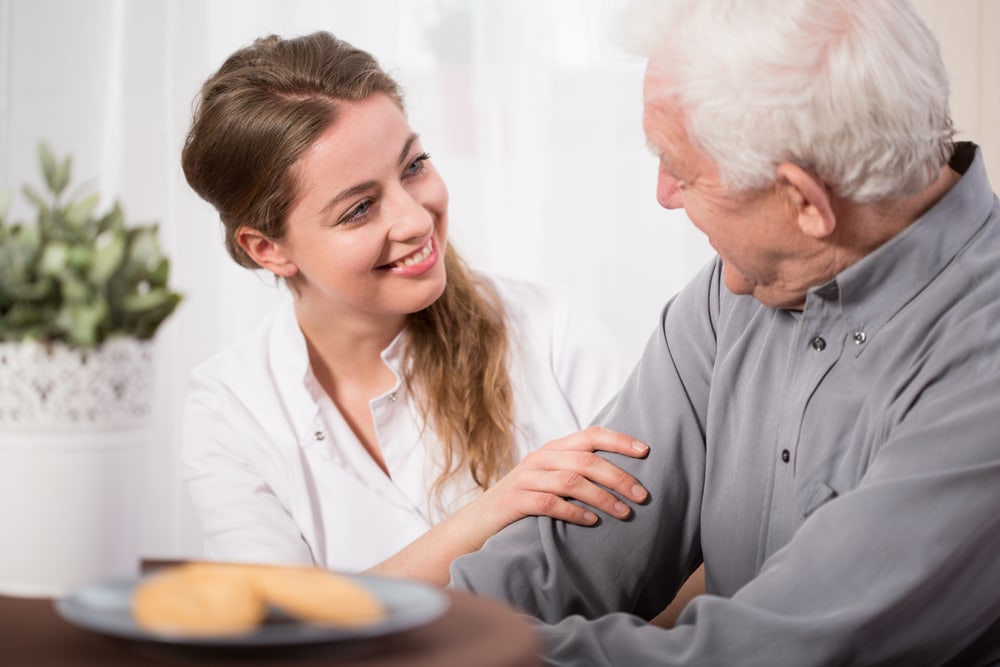
Emotional Effects Like Isolation and Frustration
Frequent miscommunications create frustration. Gradually, many seniors tend to eschew interactions completely to evade the discomfort of missing meaning. This pullback often contributes in significant solitude, as once-cherished roles—grandparent storyteller—fade. Mental well-being declines when bonding appears unattainable.
Links to Social Withdrawal
Untreated hearing loss greatly raises the likelihood of disconnection. Seniors may decline requests, skip community events, or reduce phone contact, progressively shrinking their social circle. The emotional toll increases as moments for happiness, amusement, and belonging grow rarer.
Impact on Family Dynamics
Adult children commonly find themselves repeating information patiently but sense helpless. Spouses lose joint amusement. Siblings argue over who should take responsibility for the issue. These dynamics stress relationships that formerly felt natural.
Practical Challenges in the Home Environment
Daily home auditory cues—kitchen appliances, doorbells, television, children playing—clash with speech. Spaces with reflective floors create resonance that even more degrade heard speech.
Missing Alarms, Phones, or Conversations
Important auditory signals go unnoticed: fire detectors, entry chimes, calls. These failures cause hazards and increase everyday anxiety for family members and seniors alike.
Long-Term Risks if Untreated
Ongoing hearing difficulties correlate with elevated fall risk, brain health issues, and emotional distress. Early assistance breaks this progression, maintaining both personal protection and cognitive function.
Identifying these extensive effects encourages families to take action. Hearing loss assistance at home presents real-world, understanding methods to rebuild harmony and bonding.
If these patterns appear recognizable, contact us to learn about helpful choices. Learn more about our background and mission.
What Are Effective Communication Strategies for Hearing Loss at Home?
Practical techniques for clearer home conversations with hearing challenges revolve on establishing conditions where speech is processed distinctly and comfortably. Caregivers instruct these methods progressively, assisting seniors and families develop patterns that minimize strain and enhance shared comprehension.
Face-to-Face Techniques and Visual Cues
Face-to-face visual connection and unobstructed sight of the talker’s expression aid understanding. Hand movements reinforce spoken words. These essentials establish the base of effective exchange, making interactions more intuitive.
Positioning and Lighting Tips
Position seating so expressions are properly illuminated avoiding shadows or bright reflection. Daylight outside illumination or movable lamps assist lip-reading. Avoid reverse lighting that darkens speakers, ensuring good view facilitates clarity.
Clear Speech Without Shouting
Communicate at a standard intensity but with intentional enunciation. Slow your pace a bit and break between phrases. Shouting distorts speech and can seem unkind—clearness at normal volume performs far superior.
Reducing Background Noise for Better Clarity
Turn off conflicting sounds during important talks. Close openings to stop hallway sounds. Choosing more peaceful spaces for meals or gatherings significantly boosts word understanding.
Home Environment Adjustments
Place carpets or soft furnishings in reverberant zones to dampen echo. Rearrange seating so conversation zones are separated from loud corridors. Small acoustic changes generate significant gains.
Using Gestures and Written Aids
Easy hand signals explain important terms. Keep a notepad or big-letter list nearby for numbers. These low-tech assists offer consistent support when verbal clarity struggles.
Technology-Free Tools That Work
Large-print lists or picture cards deliver information. They provide rapid, successful help without introducing technical equipment that may confuse.
Daily Practice Routines for Consistency
Set aside brief times daily for purposeful dialogue rehearsal. Discuss the day’s happenings, relate a story, or read aloud together. Regular reinforcement enhances both ability and self-assurance.
Teams with deep background in elder support apply these approaches with care and accuracy. Relatives gain mental comfort through reclaimed communication and logical efficiency from home-based implementation. Explore all our services.
Ready to bring these strategies into your daily life? Contact us for a complimentary consultation.
How Can In-Home Hearing Care Improve Home Safety for Seniors?
In-home hearing care reaches well beyond talk—it directly enhances personal safety by addressing hearing limitations that contribute to home hazards and overlooked urgencies. Support providers combine alertness education with daily oversight to establish a safer residence.
Addressing Missed Auditory Cues
Seniors frequently fail to notice everyday sounds that alert risks—doorbells, timers, smoke detectors, or a family member shouting from different area. Caregivers implement non-auditory signals that make up for effectively.
Door Bells, Smoke Alarms, and Emergency Calls
Use light signals for visitor signals and alarms, or employ vibrating pagers for phone calls. Caregivers demonstrate appropriate actions, building automatic response for quick, assured action.
Fall Prevention Through Awareness
Hearing loss frequently appears together with equilibrium issues. Assistants reinforce environmental scanning—checking before moving—and combine hearing constraints with visual safety checks to lower accident likelihood.
Integrating Wellness Checks and Mobility Support
Daily check-ins allow caregivers to identify emerging hazards—obstructed paths, poor lighting, slippery mats—and resolve them preventively. Movement support provides steady and confident walking around the house.
Daily Safety Monitoring
Caregivers observe routines and note shifts—such as reduced quickness or uncertainty in particular spaces—then adapt care strategies accordingly to maintain protection.
Home Modification Ideas Without Major Changes
Easy modifications like better light, visible markings on steps, or clearly marked controls supply visual reinforcement. These budget-friendly adjustments significantly improve movement and reduce hazard potential.
Proactive protective actions provide enduring peace of mind. In-home hearing care builds protected, self-assured living through considerate, combined support. Read more about our in-home health assistance in Palm Desert.
Let’s discuss how to make your home safer—reach out today.
What Role Do Caregivers Play in Supporting Hearing-Impaired Seniors?
Caregivers act as reliable allies and trained helpers, enabling seniors with hearing loss navigate everyday routines with self-respect and ease. They blend emotional support with real-world methods to ensure conversation remains fluid and significant.
Personalized Daily Living Assistance
Customized help aligns with auditory requirements during routines, guaranteeing well-being and consistency excluding disturbing autonomy. - Care Companies Cathedral City
Companionship During Conversations
Patient presence invites seniors to express thoughts freely, rebuilding assurance in sharing and dialogue.
Medication and Routine Reminders
Kind , regular prompts keep timelines organized, incorporating alternative reminders when verbal reminders are less reliable.
Emotional and Social Engagement Support
Caregivers organize activities that ignite delight—memory sharing, musical activities, easy pastimes—while integrating talk-optimized conditions.
Preventing Loneliness Through Activities
Regular excursions, hobby sessions, or online conversations maintain social ties and fight isolation successfully.

Family Caregiver Relief and Training
Training teach family members better interaction strategies, noise-reduction tips, and patience strategies to ease household conversations.
Coordinating with Other Senior Needs
Seamless integration with holistic needs—mobility, prescription adherence, diet, health—boosts complete assistance.
This coordinated method restores psychological comfort and delivers real-world framework to regular activities. Learn more on our domestic care services.
Discover how caregiver support can change your family’s routine—contact us today.
In-Home Hearing Care vs Traditional Clinic Approaches: Key Differences
Families exploring paths for hearing loss support frequently contrast office-based hearing care with residence-based assistance. The contrasts are substantial and impact both practicality and outcomes.
Convenience and Accessibility Factors
In-home hearing care avoids the need for transportation, scheduling conflicts, and waiting rooms. (Care Companies Cathedral City)
No Travel Required
Seniors stay in known surroundings, decreasing tension and bodily effort.
Personalized Home Environment
Methods are adapted to the specific arrangement, light conditions, and acoustics of the home.
Focus on Communication Over Devices
Home care emphasizes habit changes and assistant instruction over hearing aids.
Non-Medical Strategies
No fittings—emphasis continues on sustainable patterns.
Cost and Time Savings
Adaptable scheduling and absence of technology fees frequently make home care economical long-term.
Flexible Scheduling
Visits fit with daily patterns rather than rigid office availability.
Long-Term Outcomes and Satisfaction
Home-based support promotes higher participation, mental closeness, and ongoing self-reliance.
| Aspect | Traditional Clinic Approach | In-Home Hearing Care Approach |
|---|---|---|
| Location | Requires travel to office | Delivered 100% at home |
| Primary Focus | Hearing aids and fittings | Communication strategies and daily support |
| Device Involvement | Central | None |
| Mobility Requirement | High | Minimal to none |
| Family Involvement | Limited | Active training and workshops |
| Timeline for Noticeable Improvement | Weeks to months | Days to weeks |
These distinctions show why many Coachella Valley families select residence-centered care. Read about our in-home elderly assistance.
Real Stories: How Families in Coachella Valley Have Benefited
Local families experience tangible shifts through steady, kind support.
Testimonials from Local Families
“My father in Indian Wells started grinning during family dinners again. The caregiver’s patience and effective techniques made all the change.” — Maria R., Indian Wells.
“Mom in La Quinta was disengaging from conversations. In just weeks of starting support, she was enjoying and narrating experiences once more. Transformative.” — David L., La Quinta.
“Our Rancho Mirage grandmother felt safe and part of. The group’s compassionate style reclaimed her assurance and our reassurance.” — Susan T., Rancho Mirage.
Measurable Improvements in Daily Life
Families note fewer confusions, increased engagement in family events, lowered stress, and more solid relationships. These outcomes reflect the effectiveness of personalized, residence-based assistance.
These actual results show what’s attainable with dedicated support. See more stories on our success stories area.
Common Concerns About In-Home Hearing Care and How They Are Addressed
Families commonly have questions when thinking about in-home support. Here are the most frequent concerns and clear responses.
Is It Expensive or Time-Consuming?
Hourly rates generally go from $30–$45 for non-medical care in the region. Adaptable arrangements—part-time, regular, or respite—matches most economic needs and daily patterns free from long-term contracts. Understand our cost structure.
Will It Feel Intrusive?
Caregivers are prepared to value privacy and individual privacy, focusing on companionship rather than monitoring. Households define rules from the beginning. Learn about respectful care.
What If We Already Tried Other Options?
This approach works alongside previous efforts—whether equipment, therapy, or alternative support—excluding repetition. It covers conversation and mental support needs that devices by themselves is unable to address. Discover complementary support.
How Do We Know It Will Work for Our Loved One?
Each plan is personalized after an starting consultation. A comfort assurance guarantees adjustments until the fit is ideal. See our client matching system.
Handling these questions clearly creates assurance in the approach. Contact us to discuss your individual circumstances.
Areas We Serve Throughout Coachella Valley California
Local presence ensures prompt, personalized support in the area.
Cities Covered Near the I-10 Freeway
We proudly support Indian Wells, Rancho Mirage, Thousand Palms, Indio, Palm Desert, La Quinta, Cathedral City, Coachella, Palm Springs, North Palm Springs, Desert Hot Springs, and surrounding areas.
Local In-Home Hearing Care Experts Near You
Innovative Senior Care, 77564 Country Club Dr Ste 228/230, Palm Desert, CA 92211, (760) 469-4999.
Proximity and regional understanding allow us to react promptly and appreciate regional needs. See our service locations.
Frequently Asked Questions About In-Home Hearing Care
What is in-home hearing care for seniors?
In-home hearing care offers non-medical assistance to assist seniors manage hearing loss through enhanced communication and regular schedules. Caregivers guide direct interaction methods, sound management, and non-verbal signals. It promotes autonomy and bonding at home. Families benefit from fewer miscommunications and deeper connections. This approach suits those avoiding devices or clinic visits. Explore our senior care services. (112 words)
How does hearing loss affect communication at home?
Hearing loss muffles speech, particularly high pitches. Ambient sounds drowns out. Seniors struggle to keep up, frequently leading to shorter talks. Families restate themselves, creating strain. Emotional withdrawal follows. Communication help at home rebuilds ease through specific modifications. Learn companionship strategies. (98 words)
Is in-home hearing care different from hearing aids?
Yes—in-home hearing care concentrates on support-based strategies and social presence, not technology enhancement. Hearing aids provide volume increase via specialist customization. This non-medical approach steers clear of device sales. A great number of families combine both for complete support. See complementary care. (98 words)
What services help with hearing loss at home?
Services include conversation coaching, environmental tweaks, daily oversight, and social activity planning. Caregivers combine auditory understanding into daily activities. Family workshops build collective skills. Movement and safety aspects combine seamlessly. Outcomes encompass higher self-assurance and engagement. Learn about daily assistance. (112 words)
How soon can I see improvements?
Many families notice clearer exchanges and reduced annoyance quickly. Consistent implementation boosts improvement. Personalized approaches speed outcomes. Ongoing care maintains progress. Participation and disposition enhance noticeably. Start quickly with us. (98 words)
Do you serve Coachella Valley areas?
Yes—service area includes Indian Wells, Rancho Mirage, Thousand Palms, Indio, Palm Desert, La Quinta, Cathedral City, Coachella, Palm Springs, North Palm Springs, Desert Hot Springs near the I-10 Freeway. Regional support ensures ease and promptness. Explore coverage areas. (78 words)
How to help a senior with hearing loss at home?
Sit yourself face-to-face in proper illumination. Talk distinctly without raising voice. Eliminate interfering sounds. Use body language. Repeat daily. Caregiver guidance perfects methods. Relative participation boosts outcomes and fosters balance. Explore elderly home care. (98 words)
What causes hearing loss in elderly at home?
Age-related hearing loss comes from auditory system wear gradually. Cumulative loud environment exposure and wellness factors contribute. House echo patterns commonly amplify the difficulty. Prompt assistance avoids progression. Discover safety assessments. (88 words)
Best ways to communicate with hearing impaired senior?
Ensure eye contact, articulate naturally, eliminate distractions. Short sentences support. Body language reinforce. Patience encourages openness. Written aids supplement when needed. These build ease and shared comprehension. See communication strategies. (92 words)
Prevent social isolation from hearing loss at home?
Encourage frequent activities with non-verbal cues. Arrange low-noise conversations. Support providers promote interaction. Mental reassurance reduces withdrawal. Consistent engagement maintains social ties and engagement. Guide to home care setup. (88 words)
We Can Help! Contact Us Today
The concern of fading connections with a loved one is profound. Watching a parent or spouse withdraw from talks creates intense worry. Care for family inspires the effort for solutions that revive connection and inclusion. Relief comes when dialogue feels natural again. Optimism grows as independence and joy reappear. Confidence grows from dependable, understanding assistance that genuinely understands.
Reasonably, in-home hearing care delivers unmatched ease—no travel, device-free, adaptable timing. It delivers complete , non-medical help customized to actual routines. Results are reliable and quantifiable: smoother conversations, safer homes, renewed closeness.
Innovative Senior Care brings this experience to Coachella Valley families. With over 15 years of dedicated service, our skilled caregivers provide outcomes guaranteed by a comfort assurance. Located at 77564 Country Club Dr Ste 228/230, Palm Desert, CA 92211, we support the surrounding communities. Call (760) 469-4999 to start.
If you’re pursuing reliable in-home hearing care and hearing loss assistance at home. Care Companies Cathedral City, Innovative Senior Care is ready to support. Our experts specializes in communication support, safety, and companionship that rebuilds connection. Whether you’re an adult child managing care, a spouse assisting daily life, or a family seeking peace of mind, we’ve helped countless seniors with care and skill. No-cost assessment available. With proven experience and a comfort assurance, we make sure your loved one stays active, protected, and valued. Let us help strengthen your family’s time with assurance!
Call (760) 469-4999 today for your complimentary consultation. Reclaim joyful, effortless conversations—your loved ones deserve every moment.
Innovative Senior Care
Address: 77564 Country Club Dr Ste 228/230 Palm Desert, CA 92211Phone: (760) 469-4999
Email: info@innovativeseniorcareinc.com
Innovative Senior Care
Family Caregiver Cathedral City, CA
Home Health Aides Near Me Cathedral City, CA
Services For The Elderly Cathedral City, CA
Care For Elderly Cathedral City, CA
Family Caregiver Cathedral City, CA
Care Companies Cathedral City, CA
Home Health Agency Cathedral City, CA
Care Providers Cathedral City, CA
Caregiver Agency Cathedral City, CA
Home Care Agencies Cathedral City, CA
Homecare Services Cathedral City, CA
Domiciliary Care Cathedral City, CA
Caregiver Services Cathedral City, CA
Homecare Services Cathedral City, CA
Domiciliary Care Cathedral City, CA
Senior Caregiver Cathedral City, CA
Live-In Caregiver Cathedral City, CA
Care For Elderly Cathedral City, CA
Live-In Caregiver Cathedral City, CA
Home Health Care Cathedral City, CA
Home Health Agencies Cathedral City, CA
Care For Elderly Cathedral City, CA
Family Caregiver Cathedral City, CA
Care For Elderly Cathedral City, CA
Home Care Agencies Cathedral City, CA
Home Health Care Service Cathedral City, CA
Home Health Agencies Cathedral City, CA
Senior Caregiver Cathedral City, CA
Home Care For Elderly Cathedral City, CA
Home Health Care Business Cathedral City, CA
Home Care Agency Cathedral City, CA
Caregiver Services Cathedral City, CA
Home Companion Cathedral City, CA
Home Care Agencies Cathedral City, CA
Care For Elderly Cathedral City, CA
Live-In Caregiver Cathedral City, CA
Caregiver Agency Cathedral City, CA
Domiciliary Care Cathedral City, CA
Care Companies Cathedral City, CA
Home Care Agencies Cathedral City, CA
Home Companion Cathedral City, CA
Home Care For Elderly Cathedral City, CA
Elder Care Cathedral City, CA
Home Health Care Service Cathedral City, CA
Live In Care Cathedral City, CA
Services For The Elderly Cathedral City, CA
Home Health Agency Cathedral City, CA
Caregiver Agency Cathedral City, CA
Find A Good Seo Citations Cathedral City, CA
Find Seo Cathedral City, CA
Innovative Senior Care
Home Health Aides Cathedral City, CA
Home Care Agencies Cathedral City, CA

Table of Contents
- – Innovative Senior Care
- – What Is In-Home Hearing Care and How Does It H...
- – Understanding Age-Related Hearing Loss (Presb...
- – Common Signs in Daily Routines
- – Why Communication Breaks Down at Home
- – Non-Medical vs Device-Focused Approaches
- – Benefits of Caregiver-Led Support
- – Who Benefits Most from At-Home Assistance
- – How Does Hearing Loss Impact Daily Communicati...
- – Emotional Effects Like Isolation and Frustration
- – Links to Social Withdrawal
- – Impact on Family Dynamics
- – Practical Challenges in the Home Environment
- – Missing Alarms, Phones, or Conversations
- – Long-Term Risks if Untreated
- – What Are Effective Communication Strategies fo...
- – Face-to-Face Techniques and Visual Cues
- – Positioning and Lighting Tips
- – Clear Speech Without Shouting
- – Reducing Background Noise for Better Clarity
- – Home Environment Adjustments
- – Using Gestures and Written Aids
- – Technology-Free Tools That Work
- – Daily Practice Routines for Consistency
- – How Can In-Home Hearing Care Improve Home Safe...
- – Addressing Missed Auditory Cues
- – Door Bells, Smoke Alarms, and Emergency Calls
- – Fall Prevention Through Awareness
- – Integrating Wellness Checks and Mobility Support
- – Daily Safety Monitoring
- – Home Modification Ideas Without Major Changes
- – What Role Do Caregivers Play in Supporting Hea...
- – Personalized Daily Living Assistance
- – Companionship During Conversations
- – Medication and Routine Reminders
- – Emotional and Social Engagement Support
- – Preventing Loneliness Through Activities
- – Family Caregiver Relief and Training
- – Coordinating with Other Senior Needs
- – In-Home Hearing Care vs Traditional Clinic App...
- – Convenience and Accessibility Factors
- – No Travel Required
- – Personalized Home Environment
- – Focus on Communication Over Devices
- – Non-Medical Strategies
- – Cost and Time Savings
- – Flexible Scheduling
- – Long-Term Outcomes and Satisfaction
- – Real Stories: How Families in Coachella Valley...
- – Testimonials from Local Families
- – Measurable Improvements in Daily Life
- – Common Concerns About In-Home Hearing Care and...
- – Is It Expensive or Time-Consuming?
- – Will It Feel Intrusive?
- – What If We Already Tried Other Options?
- – How Do We Know It Will Work for Our Loved One?
- – Areas We Serve Throughout Coachella Valley Cal...
- – Cities Covered Near the I-10 Freeway
- – Local In-Home Hearing Care Experts Near You
- – Frequently Asked Questions About In-Home Heari...
- – What is in-home hearing care for seniors?
- – How does hearing loss affect communication at...
- – Is in-home hearing care different from hearin...
- – What services help with hearing loss at home?
- – How soon can I see improvements?
- – Do you serve Coachella Valley areas?
- – How to help a senior with hearing loss at home?
- – What causes hearing loss in elderly at home?
- – Best ways to communicate with hearing impaire...
- – Prevent social isolation from hearing loss at...
- – We Can Help! Contact Us Today
- – Innovative Senior Care
Latest Posts
Kitchen Hood Repair Service Tujunga
Exhaust Fan Installation Service Beverly Hills
Universal City Residential Hvac Near Me
More
Latest Posts
Kitchen Hood Repair Service Tujunga
Exhaust Fan Installation Service Beverly Hills
Universal City Residential Hvac Near Me